How to make a grocery list from what is already in your pantry
· Editorial team newsfromla7.com
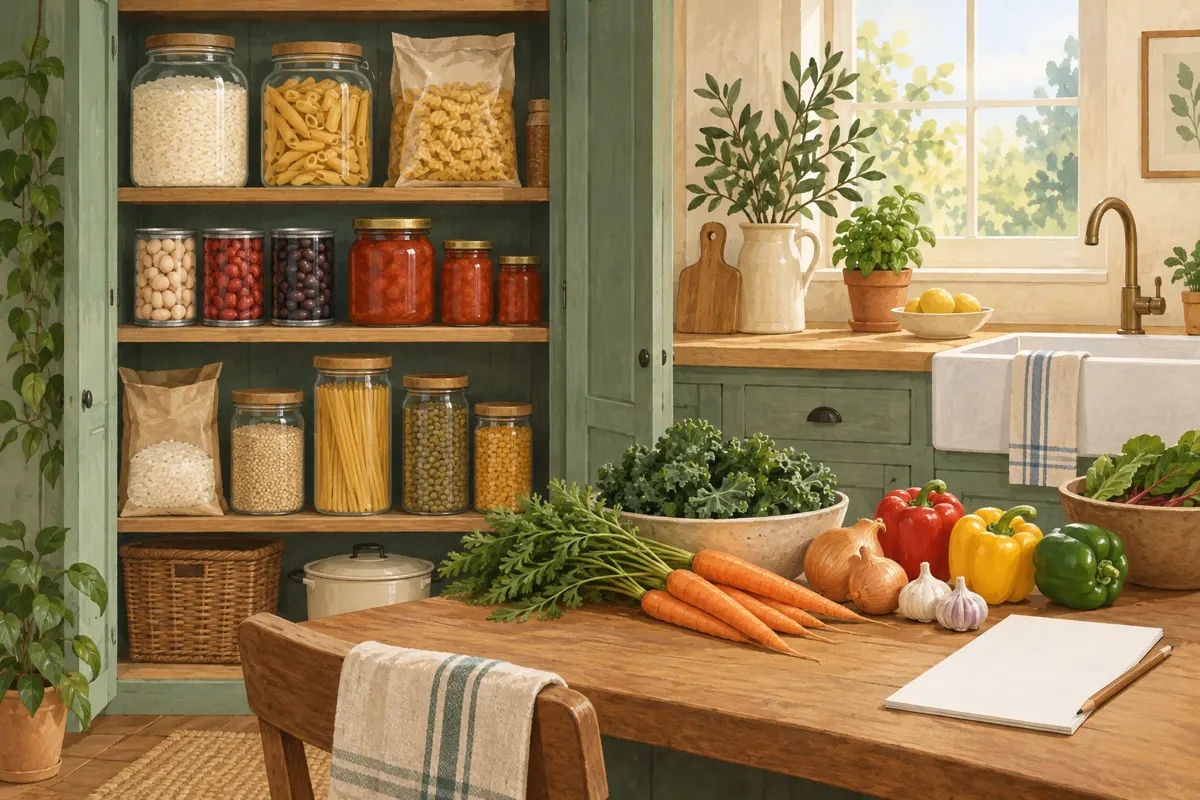
Make your grocery list by checking your pantry, refrigerator, and freezer first, choosing meals that use those ingredients, and writing down only what is missing. Include quantities so you can tell whether the food you already have will cover your plans. A short list built around actual meals is easier to use than a list of everything you might want.
Check what you have before choosing meals
Start with a sheet of paper or a phone note. Check each food storage area, including cupboard shelves where spare cans and unopened packages tend to disappear behind other items. Record useful quantities: half a bag of rice, two cans of beans, or enough pasta for one dinner. You do not need a permanent inventory to make this shopping trip useful.
For this proposed routine, divide your notes into three groups. Keep the inventory separate from the shopping list so food you already own does not accidentally become something to buy.
- Meal starters: rice, pasta, beans, lentils, canned tomatoes, or other ingredients that could anchor a meal.
- Use soon: food you already intend to use next, such as an opened package or vegetables waiting in the refrigerator.
- Supporting ingredients: oil, seasonings, sauces, and other basics needed to prepare those meals.
Turn pantry ingredients into a few realistic meals
Choose meals for the days you expect to cook at home. Leave room for existing plans and leftovers instead of automatically assigning a new recipe to every evening. Nutrition.gov points to meal-planning resources and a shopping tool that tracks what you have alongside what you need.
The following meal ideas are proposals, adaptable to your preferences and dietary needs. Start with an ingredient you own, then ask what would make it into a meal you would actually enjoy.
- Rice and canned beans: plan bowls with vegetables and a sauce you already like.
- Pasta and canned tomatoes: plan a tomato pasta dish, adding vegetables or another ingredient if wanted.
- Lentils and broth: plan a soup using suitable vegetables already on hand.
- Oats and nuts: plan breakfasts, checking whether you need fruit or your usual milk.
Favor combinations that share ingredients. If two planned meals can use the same vegetables, you have a clearer purpose for the amount you buy. Avoid choosing a recipe that requires several specialty purchases just to use one pantry item.
Calculate the missing amounts
Go through each meal and compare its ingredient needs with your inventory. For a recipe, check the ingredient list and serving count. For a familiar meal, use the amounts you normally prepare for your household.
- Write the amount needed across all planned meals.
- Subtract the usable amount you already have.
- Put the remaining amount on the shopping list.
- Combine repeated ingredients into one entry.
For example, if your plans call for two cans of beans and you have one, list one can. If both dinner plans need an onion and you have none, list two onions. Check the cupboard before adding oil or spices; a recipe calling for an ingredient does not mean you need to buy it.
Make the list easy to shop from
Group your missing items by store section, such as produce, canned goods, dairy, and frozen foods. Add a quantity to each entry and check items off as you shop. If someone else is buying the groceries, specify any important type or size.
A proposed list for rice-and-bean bowls and tomato pasta might contain two onions, one bell pepper, and one can of beans, assuming you already have enough rice, pasta, tomatoes, oil, and seasonings. Your list should reflect your own cupboard check, rather than copy the example.
Add breakfast, lunch, and snack needs after the main meals. Keep optional extras visibly separate so they do not obscure the ingredients your plan depends on.
Do one final check before leaving
Read the list with your cupboards open. Confirm that a nearly empty package contains enough for its planned meal and that you have not counted the same ingredient twice. Then check whether each purchase has a purpose.
- Does each essential item complete a meal or cover a regular household need?
- Have you included quantities for everything you need to buy?
- Can an ingredient already at home fill a gap?
- Will your cooking schedule realistically use what you plan to purchase?
Keep the meal notes until your next shop. If a meal gets postponed, its ingredients become the starting point for the next list.