How to build a food-focused day trip around one neighborhood
· Editorial team newsfromla7.com
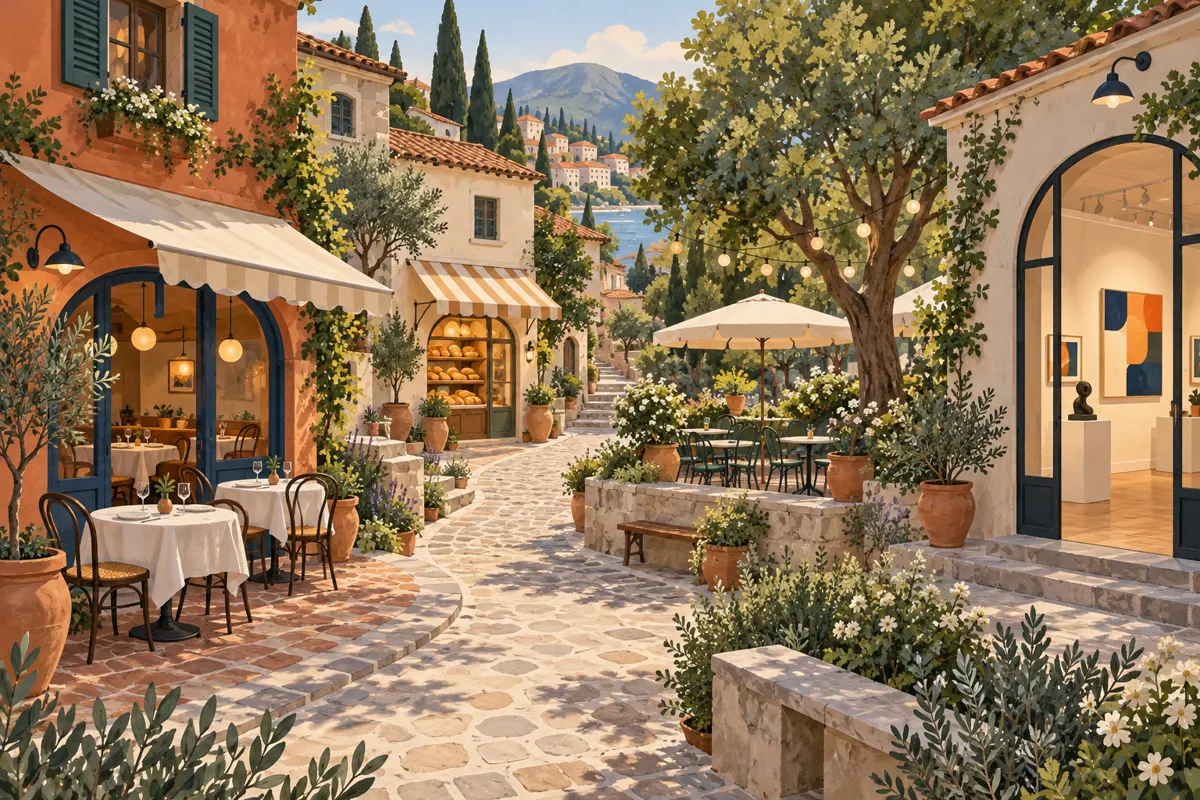
Build your afternoon around one main meal, then add a nearby snack stop, a non-food break, and an indoor backup. Keep everything within a walking distance your group finds comfortable, and leave part of the afternoon unplanned. This proposed approach gives you a useful route without making every discovery another appointment.
Choose a compact area and a clear starting point
Start with the neighborhood where you most want to eat. For a Los Angeles outing, choose a small cluster of streets within that neighborhood rather than treating its entire map boundary as your route. A neighborhood name alone does not tell you how far apart your stops are or how comfortable the walk will be.
Pick an arrival point and an easy way to leave. If you are driving, check parking arrangements; if you are using transit, check the journey in both directions. Review the actual walking route between stops, including crossings, slopes, and any accessibility needs. Decide how much walking everyone wants before choosing the food.
- Mark your arrival point, main meal, snack, and break on one map.
- Choose a loop or a short route ending near your departure point.
- Drop any stop that requires a detour you would resent when tired.
Make one meal the anchor
Choose the main meal first because it is the stop most likely to shape your timing and spending. Look for a menu that suits your appetite, dietary needs, and budget. Check opening hours for your intended day, whether the kitchen closes between services, and whether reservations are available or required.
If you book, build the walk around that reservation. If you plan to walk in, identify a nearby alternative with suitable food. Set a waiting limit together before arriving, based on how much of the afternoon you want to spend in a queue.
Allocate most of your food budget to this meal and keep a smaller amount for the snack and any spontaneous purchase. Include applicable tax, your intended tip, transport, and parking when estimating the whole outing. You can enjoy a food-focused afternoon without ordering something at every place you pass.
Add a contrasting snack and a non-food break
Choose a snack that offers something different from the main meal: a small sweet after a savory lunch, for example, or a modest savory bite after a lighter meal. Keep it optional until you know your appetite. Check portion sizes before ordering, and share only when everyone wants to and dietary requirements allow it.
Put a non-food break between the meal and snack. Possible choices include a public garden, bookstore, gallery, or a short walk along an interesting street, depending on what is actually nearby. Confirm access and opening hours if the break depends on entering a venue. Choose somewhere you would enjoy even if you were already full.
Keep the afternoon flexible
Use a sequence rather than a tightly timed schedule. The following is a proposed template; adjust the order around your meal reservation and arrival time. Keep only essential commitments fixed so a slow lunch or an appealing shop does not derail the outing.
- Arrive and take a short orientation walk, unless your meal booking comes first.
- Enjoy the main meal without scheduling the next stop immediately afterward.
- Take your non-food break and decide whether you still want the snack.
- Visit the snack stop, or use that time for something discovered along the way.
- Return toward your departure point with enough margin for the journey home.
When something unexpected catches your attention, replace an optional stop instead of adding another commitment. If traveling with others, agree that anyone can request a seat, a shorter walk, or an early finish.
Prepare an indoor backup before leaving
Choose one nearby indoor alternative for uncomfortable weather or a needed rest. A bookstore, gallery, or café could work, but verify its hours, seating where relevant, and any entry fee or purchase expectation. The backup should be easy to reach from the main meal.
- Save the addresses, booking details, and route where you can access them easily.
- Check the forecast and opening hours again before departure.
- Bring water, comfortable shoes, and appropriate sun or rain protection.
- If a stop is closed or crowded, use your nearby alternative or skip it.