How to turn handwritten family recipes into a keepsake cookbook
· Editorial team newsfromla7.com
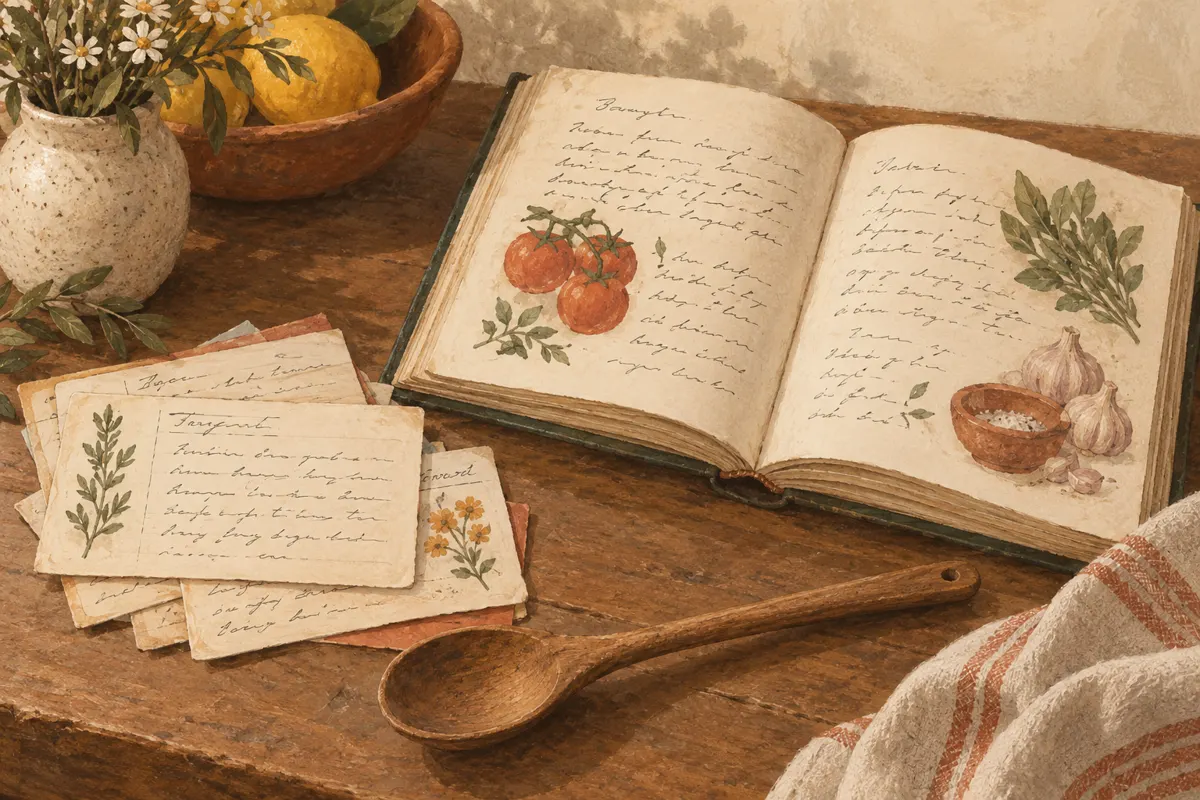
To turn handwritten family recipes into a keepsake cookbook, scan or photograph the originals, type readable versions, add the stories behind the dishes, and arrange everything in a consistent layout. Pairing typed instructions with images of the original cards preserves both their usefulness and the handwriting that makes them personal.
Choose a collection you can finish
Start by gathering recipe cards, notebook pages and loose slips into one place. Decide whether the book will cover one person’s cooking, a particular family tradition or favorites from several households. CreateMyCookbook suggests choosing between the whole collection and selected favorites before capturing the originals.
An editorial proposal for a manageable first edition is to choose the dishes relatives most want to cook again. Keep a separate folder for recipes that need more information, so a missing page does not hold up the entire project.
- Record each recipe’s title and contributor.
- Keep both sides of every card together.
- Group duplicate versions and ask whose version each one represents.
- Note missing ingredients, unclear words and references to other recipes.
Capture the handwriting clearly
A scanner, camera or smartphone can capture handwritten recipes. If you photograph them, use good lighting and hold the camera directly above the page so the writing is easy to read. Include the full card, with its margins and handwritten additions, before making a cropped copy for the book.
- Place each card or page on a plain surface in even light.
- Capture the front and back, including any continuation pages.
- Enlarge the image on screen and check faint pencil marks and small measurements.
- Give related files matching names, such as lemon-cake-front and lemon-cake-back.
- Keep an untouched master image and use a separate copy for cropping or layout.
Stains, crossed-out words and uneven handwriting can be part of the keepsake’s character. An editorial proposal is to retain them in the original image while making the typed recipe clean and easy to follow.
Transcribe without guessing
Type each recipe into the same basic structure: title, contributor, ingredients and method. Add a yield, oven temperature or cooking time only when the original or a contributor provides it. The aim is to make the recipe readable while keeping a clear record of what the family actually knows.
An editorial proposal is to distinguish original wording from later clarification. If a card says “bake until done,” preserve that wording and ask a relative for the cues they use. Put their explanation in a clearly attributed note. If nobody can resolve an unclear quantity, mark it as unresolved instead of silently supplying one.
- Compare every typed ingredient and quantity with the original.
- Check that ingredients mentioned in the method appear in the ingredient list.
- Expand abbreviations only when their meaning is clear.
- Label substitutions and later adaptations with the contributor’s name.
Give each recipe room for a memory
The original handwriting can sit alongside a typed recipe, preserving a personal connection while allowing readers to follow the instructions at a glance. Family stories and photographs can also become part of the collection; both supplied cookbook sources describe including these elements.
An editorial proposal is to ask contributors one concrete question: when did your family serve this dish, who taught you to make it, or what do you remember about cooking it together? Keep the answer short and retain distinctive expressions. Attribute memories to the person sharing them, and describe uncertain recollections as recollections. Ask before including a personal story or family photograph.
Arrange the pages and check a sample
An editorial proposal for a practical booklet is to organize recipes by meal or dish type, then use the same page order throughout: title, contributor, ingredients, method, memory and original image. Add a contents page so readers can find a dish without remembering who contributed it.
Before printing the full collection, print a sample at the intended size. Check whether the type is comfortable to read, the handwriting remains visible and the inner margins leave enough space for binding. Keep ingredient lists and their instructions together where possible. Review quantities once more, then save the editable document, a finished PDF and the original images so future family additions are easier to incorporate.